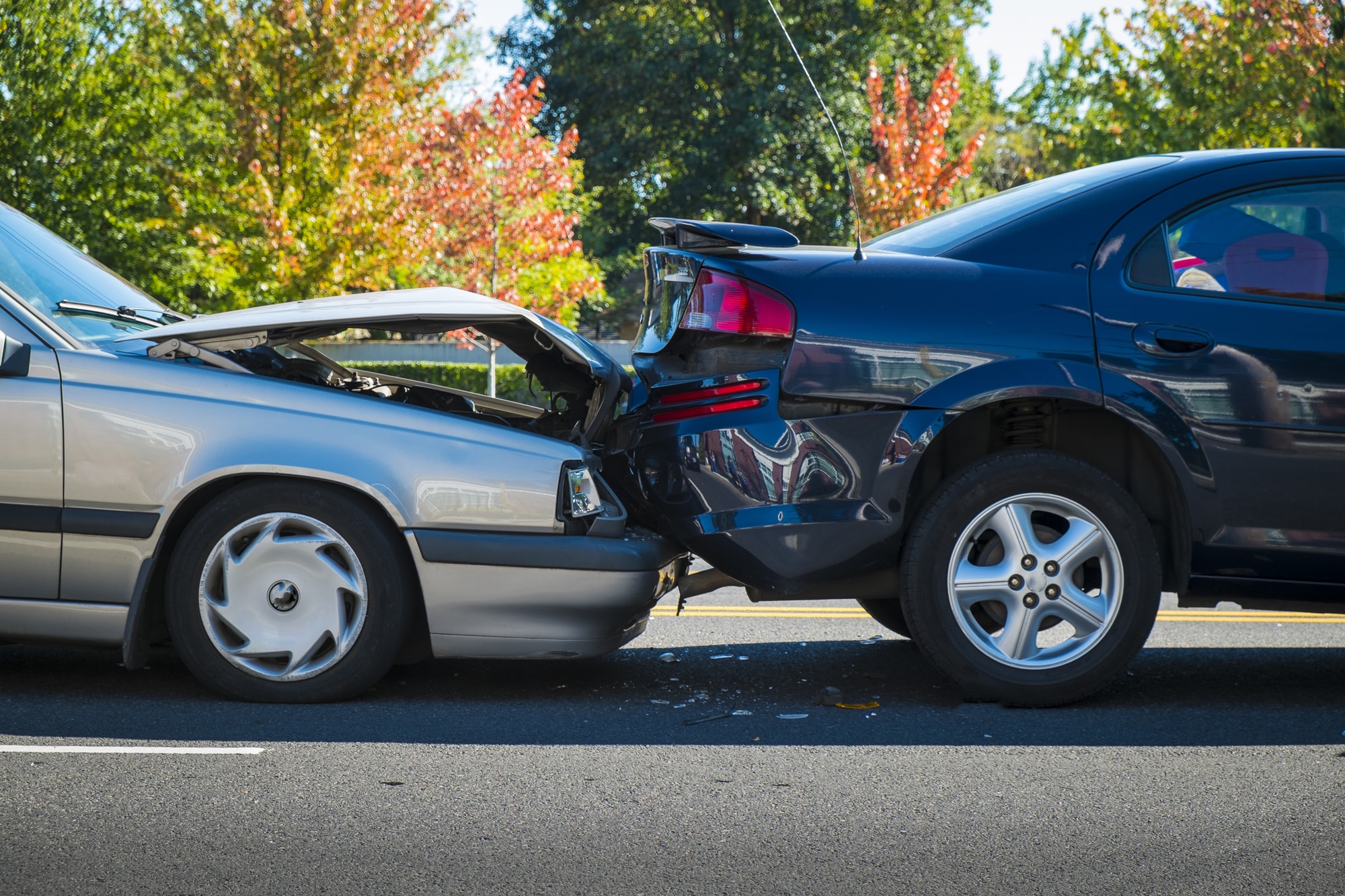


If you have been injured in a road traffic accident you may be able to claim compensation

Our experienced team will guide you through every stage of the process, giving you the best chances of recovering compensation for your injuries.

Our road traffic accident legal services include:

Here at Truth Legal we handle road traffic accident claims for people who’ve been injured in any kind of road traffic accident that wasn’t their fault. If you’ve been injured in this way, whether you were a driver, passenger, cyclist, motorcyclist or pedestrian, then contact us today for a free no obligation consultation.

If we think it sounds like your road traffic accident happened because another party was negligent then we’ll explain how the compensation claim process works, and what we can do to help you get any compensation you might be entitled to. We realise that no amount of compensation can make up for the shock and distress of being injured in a traffic accident, but it could help to support your recovery and rehabilitation, as well as making sure you aren’t left out of pocket.

How Much Compensation Can Be Claimed for a Road Traffic Accident in the UK?

The amount of compensation that can be claimed for a road traffic accident in the UK ranges from a few thousand pounds for relatively minor injuries like whiplash all the way up to hundreds of thousands for people left with permanent and life-changing disabilities. The final amount awarded for a road traffic accident claim will be made up of general damages and special damages.

General Damages

The amount awarded for general damages will be calculated on the basis of your injuries, with more being awarded for serious injuries which have a severe and ongoing impact on your ability to live your life. The final amount will be decided with reference to the Judicial College Guidelines (JCG).

The JCG is a publication setting out recommended payment ranges for a wide variety of specific injuries, with reference to the type and severity of the injury. Examples from the latest edition include:

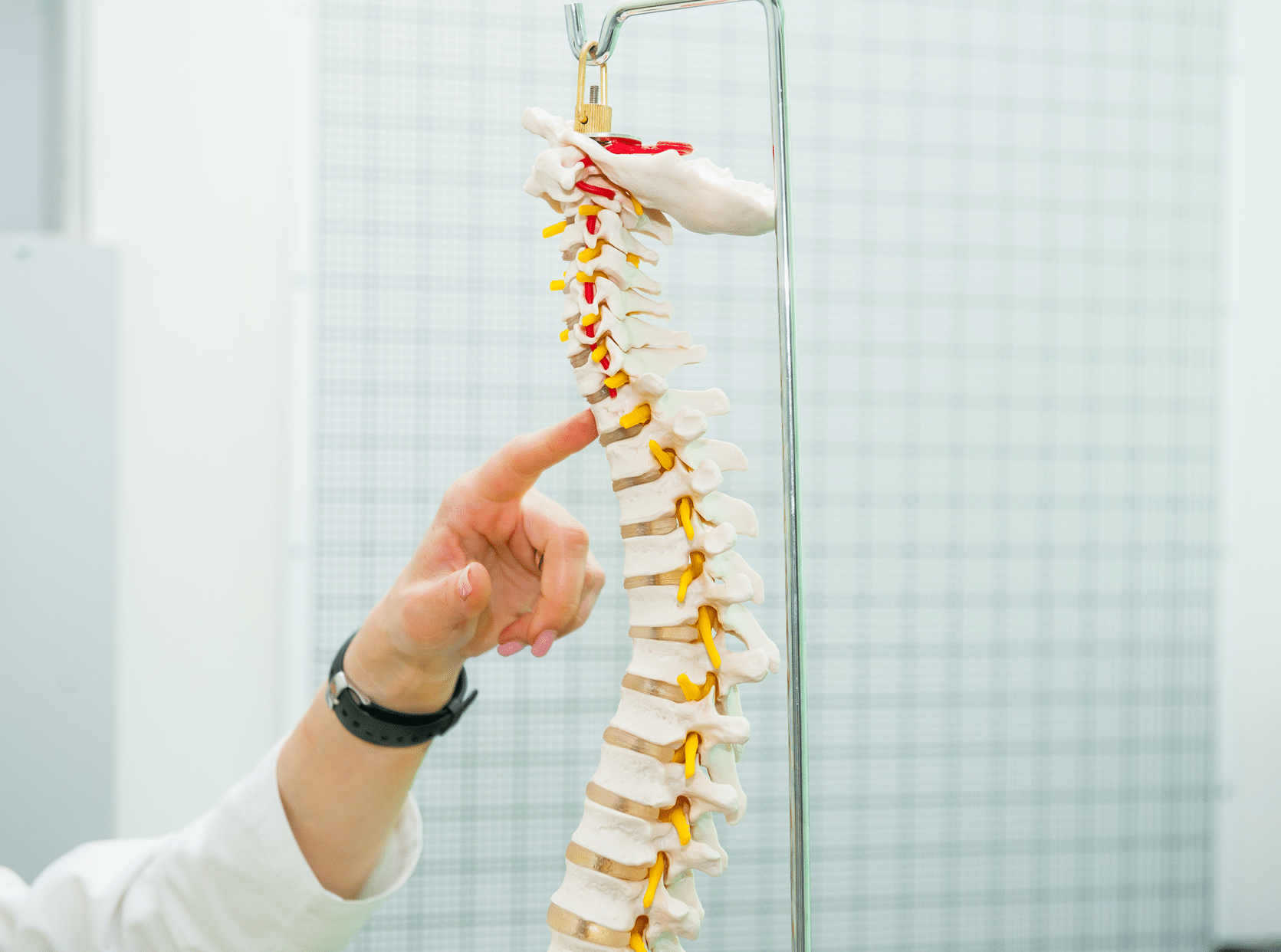
  • Severe back injury with nerve root damage to spinal cord damage –  £90,510 to £196,450
  • A wrist injury which causes some permanent pain and stiffness –  £15,370 to £29,900
  • Moderately severe brain injury –  £267,340 to £344,150
  • A moderate injury to the hip or pelvis which requires surgery –  £15,370 to £47,810

Special Damages

The special damages portion of any road traffic accident compensation is intended to make sure that your injuries don’t leave you financially worse off than if the accident hadn’t happened. The payment will include an amount to cover any earnings or pension provision lost due to changes in your ability to work, as well as reimbursing any money you have to spend as a direct result of your injuries.

Expenses you can claim compensation for include the following:

  • Money you have to spend on medical treatment because of your injuries, now and going forward
  • Money you have to spend on care required because of your injuries, now and going forward
  • Money you have to spend on adapting your home or vehicle on the basis of your injuries
  • An amount based on any care provided free of charge by friends and family
  • Money spent on specialised equipment you need because of your injuries, such as mobility aids
  • Money spent travelling to and from medical appointments related to your injuries

If you make a road traffic accident claim with Truth Legal we’ll explain exactly what you can claim for, how the physical and psychological impact of your injuries will affect the final amount and how to keep detailed records of any injury-related expenses. We never settle for anything less than a full and fair compensation amount for our clients, and will negotiate on your behalf for everything we think you’re entitled to.

How to Start Your Road Traffic Accident Claim

Immediately following a road traffic accident in which you’ve been injured you may not be thinking about making a compensation claim. We understand that the thought of taking legal action can seem daunting, and we’ll guide you through the process one step at a time, taking on the stress and work of building your claim while you concentrate on your recovery.

The steps you should take to start your road traffic accident claim in the aftermath of any accident are as follows:

  • The first thing you need to do is seek medical attention, whether you feel that your injuries are serious or relatively minor. As well as treating your injuries and improving any chances of recovery, prompt medical help will create an official record of the date, type and severity of those injuries.
  • You are legally obliged to report any road traffic accident involving injuries to the police. A copy of the police report on the accident will then be included in the evidence supporting your compensation claim.
  • You should exchange insurance details with any drivers involved in the road traffic accident. If this isn’t possible you should take down the vehicle registration number of any other vehicles.
  • If you are able to, you should take photographs or gather video evidence of the scene of the road traffic accident, including the position of any vehicles before they are moved (as long as it is safe to do so).
  • You should get in touch with Truth Legal today if you think the road traffic accident was caused by negligence. We’ll provide a free, no obligation consultation after which we’ll be able to say whether you could be eligible to claim compensation.

If we think you have been injured through negligence then we’ll explain how the claims process works and what we can do to build the strongest possible case on your behalf. The sooner we get to work, the sooner you could get the compensation you’re entitled to, and we’ll also point you in the direction of further support to cope with the aftermath of your accident.

Evidence Needed for a Successful Road Traffic Accident Claim

The evidence needed for a successful road traffic accident claim is two-fold. Firstly, you need evidence to show that the road traffic accident was caused by negligence and led directly to your injuries, and secondly, you need evidence to demonstrate the impact those injuries have had on your life.

The road traffic accident claim solicitors at Truth Legal are experts with a track record of processing successful compensation claims. We’ll work on your behalf to gather and present evidence to support your claim, including the following:

  • Your own statement describing how the road traffic accident happened
  • The results of a medical examination carried out by our choice of independent expert. These results will set out the full impact of your injuries and the prognosis for any future recovery.
  • Any other medical records relating to treatment you have received due to your injuries
  • A copy of any police report written up at the time of the road traffic accident
  • The accounts of any eye-witnesses to the road traffic accident
  • Any photographic evidence of the scene of the accident, including dashcam footage where applicable
  • Any CCTV footage covering the scene of the accident
  • Any correspondence you have entered into with your own insurance company or those representing other parties in the road traffic accident
  • Documents which set out the financial impact of your injuries. These could include bank statements, payslips from before and after the accident and receipts, bills or invoices relating to direct expenses.
  • Your account of coping with your injuries since the road traffic accident happened. Keeping an account of the recovery process in the form of a diary will enable you to record the impact the accident has had on your life as and when it happens.

Who Is Eligible to Make a Road Traffic Accident Claim?

Any person involved in a road traffic accident could be eligible to make a claim, including drivers, passengers, cyclists and pedestrians. It’s also possible to make a claim on behalf of a child you have responsibility for and, in some cases, for a person who lacks the capacity to claim on their own behalf.

The criteria for making a road traffic accident claim are as follows:

  • You have been involved in a road traffic accident in some way, as a driver, pedestrian, passenger or cyclist
  • The road traffic accident was caused by the negligence of another party
  • You were injured as a direct result of the road traffic accident

If you’ve been involved in a road traffic accident in any capacity then contact Truth Legal with the details. Our team of expert personal injury solicitors will guide you through the process of claiming compensation, including for accidents which involve uninsured drivers and those which sadly lead to the death of a loved one.

Even if you were partly at fault you may still be able to claim compensation, and our empathetic, jargon-free approach to offering advice and support means that it’s always worth finding out if you have the basis for making a claim.

Time Limits for Filing a Road Traffic Accident Claim

If you have been involved in a road traffic accident then you should be aware that there is a time limit of 3 years from the date of the accident, after which you no longer have the legal right to make a claim. There are a few exceptions to this 3 year limit, including the following:

  • You were ‘mentally incapacitated’ during the 3 year period and unable to make a claim. In this case the 3 limit will run from the date on which you regain mental capacity.
  • If you are making a claim following the death of someone as a result of a road traffic accident, you have 3 years from the date of their death, subject to the death being within the 3 year limitation period.
  • You were under 18 at the time of the claim, which means that the 3 year period will run from your 18th birthday to your 21st

Despite the 3 year limit being in place we would always recommend starting a road traffic accident claim as soon as possible following an accident. The details will still be fresh in your mind, and the sooner you start the claim, the sooner you’ll get any compensation you are entitled to.

Understanding the Role of Solicitors in Road Traffic Accident Claims

Legally speaking it is possible to handle a road traffic accident compensation claim on your own behalf, but that would be an extremely risky course of action. The law dealing with personal injury claims can be extremely complex, and anyone making a claim of this kind will find themselves negotiating with insurers who bring expertise and experience to the table.

The same is true of the road accident claim team at Truth Legal. We have a track record of successful claims to point to and in every case we worked alongside the client to win a compensation payment that fully reflected the pain and distress they had been through.

As well as our legal expertise and determination to fight for a fair result we offer a supportive and empathetic environment for any claimant. You’ll have access to one-to-one advice and support whenever you need to, and we’ll guide you through the entire process using clear, jargon-free English.

We understand that being injured in a road traffic accident can have serious psychological ramifications alongside the physical impact, and our aim will be to take on board the stress and work of building your claim so that you have the space and time to concentrate on all aspects of your recovery.

We know exactly what kind of evidence is needed to show negligence in a road traffic accident claim, and how to present that evidence in a way that is likely to convince the other party to admit liability. We also have a full understanding of just what you’re entitled to in compensation, and will never settle for anything less than fair payment in return for a quick result.

We treat each claimant as a person, not just another case number, and we work on a no win no fee basis because we think that everyone is entitled to justice and a fair result, not just those who can afford to pay for legal help up-front. If you’ve been injured in a road traffic accident and think it might have been caused by negligence then please get in touch today.

No Win No Fee Explained

We work on our road traffic accident claims on a no win no fee basis. This is also referred to as a conditional fee arrangement (CFA) and it means the following:

  • You won’t have to make any payments while we build your claim, gather evidence and negotiate on your behalf, up to and including any court appearances
  • If your claim is successful you won’t have to pay a fee to us until after you receive your compensation, and  the success fee will never amount to more than 25% of the money you get
  • If your claim fails then the costs of the other side will be covered by insurance which we take out on your behalf at the start of the process

We work in this way so that you can make a road traffic accident claim with our expert team without worrying about whether you can afford to. There are no hidden fees, extra charges or costs in the small print, so all you have to ask yourself is whether you’ve been injured through the negligence of another party.

If you have then we’re ready and waiting to fight for the compensation you deserve.

ARTICLE

The 2021 Whiplash Reforms: A Guide

Different Kinds of Road Traffic Accident

The UK has some of the safest roads in the world, however, there is no escaping the fact that roads are dangerous places and all road-users are at some risk of an accident.

The Department for Transport estimates that an all-time high of 327.1 billion vehicle miles were driven in 2017. This huge volume of traffic inevitably creates the circumstances for all sorts of different road traffic accidents to take place.

Car accidents

Cars make up the vast majority of traffic on the roads. Of the 327.1 billion vehicle miles mentioned above, 78% of those were travelled by cars. It is perhaps unsurprising then that collisions involving cars are the most common kind of road traffic accident. Between July and September 2017, 57% of all casualties in road traffic accidents were car occupants.

If you were travelling in a car and you were injured in an accident, you may be able to make a claim, irrespective of whether you were the driver or a passenger. Common kinds of accident may involve another vehicle: cutting you up on a roundabout, changing lanes into your car, or reversing into your car in a car park.

If you were the driver of the car, you will be required to show that another party was at fault for the accident. If you were a car passenger instead, it is near-impossible for you to be responsible for the accident. For more information on the requirements of a claim, see ‘What does my claim need to be successful?’ below.

Accidents involving more vulnerable road-users

Although accidents involving car occupants may be most common, accidents involving more ‘vulnerable’ kinds of road-user have the potential to be more serious. You may have been involved in a road traffic accident as:

If so, the lower levels of protection you have mean you are at a greater risk of suffering much more severe injuries, such as brain injuries or head injuries.

The courts recognise the increased vulnerability of these kinds of road-user. Other motorists are often expected to take more care to avoid injuring them. This may make certain aspects of your claim a bit easier to establish if you fall into one of these more vulnerable categories. More specific information on each category can be found by following the links above.

Other kinds of road traffic accident

A road traffic accident doesn’t have to involve a collision between two vehicles. They can result from a wide range of other causes, such as:

  • Badly-maintained roads or hazards on the road surface (e.g. spillages).
  • Defective parts of your vehicle.
  • Defective safety equipment, which ordinarily would have protected you from injuries or would have reduced the severity of those injuries.

These are generally more unusual accidents than two or more vehicles colliding. They will often involve claiming against more obscure parties, such as the Highways Agency, manufacturers, or the people responsible for a spillage or obstacle to be on the road. 

Why Should I Make a Road Traffic Accident Claim?

Negative effects from a road traffic accident can take many forms. Whilst the most obvious are the physical injuries which you sustained in the collision, other effects can lead to just as much harm. These include psychological symptoms, changes to your quality of life, or loss of income.

Clearly money alone cannot reverse all of the effects of an accident, but claiming personal injury compensation can be a great help in a difficult situation.

Some good reasons to make a claim after a road traffic accident include:

  • Helping your recovery – For certain kinds of injury, early access to treatment can make all the difference to your recovery. However, the quickest way to obtain treatment is usually to pay for it privately, avoiding NHS waiting lists. This may be difficult, especially if money is already tight in the wake of the accident. When making a personal injury claim, funding can often be arranged through a medical agency or from the other party’s insurance company. This allows you access to treatment as quickly as possible without the financial burden.
  • Financial assistance – A road traffic accident can affect many aspects of your life, including your income. If you are unable to work due to your injuries, money can be a huge source of worry and stress. Compensation can help to alleviate these worries. In certain circumstances, compensation can even be obtained before a claim is ended through ‘interim payments’.
  • Making right an injustice – You didn’t ask to be injured, but through another’s poor driving or carelessness you have been forced to endure pain, suffering and other negative effects on your life. This should not go unresolved. By claiming, you can receive recognition of your ordeal and compensation for it.
  • A good move in a bad situation – The unfortunate truth is that the accident has happened and that cannot be changed. You will have suffered harm from the accident whether you claim compensation or not. Claiming the compensation to which you are legally entitled will at least allow you to receive redress for your losses.

Can I Make a Claim?

The basic requirement for making a claim is that you must do so within 3 years of the date of the accident. Many different factors can affect this. There are situations which may cause you to doubt whether you can make a claim. Here are some of the more common concerns:

I think the accident was my fault

If the accident was genuinely your fault then you will be unable to claim compensation. However, it is still worthwhile speaking to a solicitor to explore your circumstances. You might be assessing your conduct too harshly.

Also, liability for an accident can be resolved on a ‘split liability’ basis. This means that ‘fault’ for the accident is divided between the parties, usually in terms of percentages. If the two parties to an accident are both considered to be equally at fault then liability would be split 50/50 between them. If either of those parties is making a personal injury claim, they would still be able to claim compensation, but the final compensation award would be reduced by 50%. This takes into account their own share of the blame.

Naturally, this is still a compensation award. It can still help you financially with the injury and losses you have suffered. So even if you share some of the blame for a road traffic accident, making a personal injury claim may still be worthwhile.

I wasn’t wearing a seatbelt

If you were not wearing your seatbelt at the time of the accident, this does not affect your ability to claim compensation, but it may affect the amount of compensation you receive.

Wearing a seatbelt would not have stopped the accident from happening but it may have prevented or reduced the severity of your injuries. Failing to wear a seatbelt may be considered what’s called ‘contributory negligence’ on your part.

Contributory negligence essentially means your own conduct contributed to the harm you suffered in the accident. By not wearing a seatbelt, you failed to take reasonable precautions to ensure your own safety.

Just because you didn’t wear a seatbelt, however, does not mean there will be a finding of contributory negligence. A lot will depend on the kind of injuries you have suffered and the opinion of a medical expert. The expert may believe that wearing a seatbelt would have made no difference to your injuries. If so, there will be no reduction to your compensation.

Where a seatbelt would have made a difference, compensation will be reduced. This can be as much as 25% for situations where a seatbelt would have prevented your injuries altogether. There will be a lesser reduction (usually around 15%) if your injuries would only have been less severe had you been wearing a seatbelt.

The other driver drove off without leaving their details

Drivers involved in road traffic accidents are legally obliged to stop and provide their details at the scene. Failing to do so is a criminal offence. However, this does not stop it from happening.

If you were able to take the other driver’s vehicle registration, this can be used to find their insurance details (if any exist). Clearly, this is not easy to do if you just been in an accident and the other driver is leaving the scene.

You still have the possibility of bringing a claim, however. Your claim will be directed through an organisation called the Motor Insurers’ Bureau. They will attempt to track down the hit and run driver but, if they can’t trace them, they will deal with your claim in much the same way as an insurance company would – paying your compensation on a successful claim.

These kinds of claims are usually referred to as untraced driver claims.

The other driver did not have insurance or gave me false or incorrect details

You can still make a personal injury claim even if the other driver is not insured. Incorrect insurance details are not usually a problem if you have the vehicle registration as this allows the insurers of the vehicle to be tracked down.

If the vehicle is insured, but the driver was not personally insured to drive it, often the insurers of the vehicle will step in to deal with your claim anyway.

Where there is no valid insurance in place, you can make a claim through the Motor Insurers’ Bureau. They will act in a similar way to an insurance company and pay your compensation if you successfully establish your claim.

I was involved in a road traffic accident with a foreign-registered vehicle

This is another situation in which the Motor Insurers’ Bureau may become involved. If you were in the UK and a vehicle registered in a foreign country – such as a lorry – caused your accident, you may still be able to claim. The Motor Insurers’ Bureau participates what is known as a ‘green card’ system. This helps them to locate and contact the relevant insurer of the foreign vehicle.

Unlike uninsured or untraced claims, however, the Motor Insurers’ Bureau will not usually step in to deal with the claim. Instead, your claim will often be dealt with by UK-based representatives nominated by the foreign insurer.

If you would like more information on these kinds of claims, please contact us.

I was abroad when the accident happened

Road traffic accidents which occurred whilst you were abroad can also be claimed for in certain circumstances. A lot will depend on the country in which it happened.

If you are able to make a claim, it is likely to be the Motor Insurers’ Bureau or a UK-based representative of a foreign insurance company who will consider your claim.

Because these situations can be complicated, if you have been involved in a road traffic accident abroad, it is best to contact us to discuss your case.

I was in Scotland when my road traffic accident occurred

If your road traffic accident occurred in Scotland, it is likely you will need to contact a Scottish solicitor to deal with your claim. This is because Scotland is actually a separate jurisdiction from England and Wales and has its own laws and court system.

The Scottish Law Society website can help you to find a Scottish solicitor. Remember to always make sure that the firm of solicitors in question specialise in personal injury law.

Recent success stories

Road traffic accident claims FAQs

Can I claim for Whiplash Injuries?

Changes to the law in 2021, have unfortunately restricted how Truth Legal can help with some road traffic accident claims.

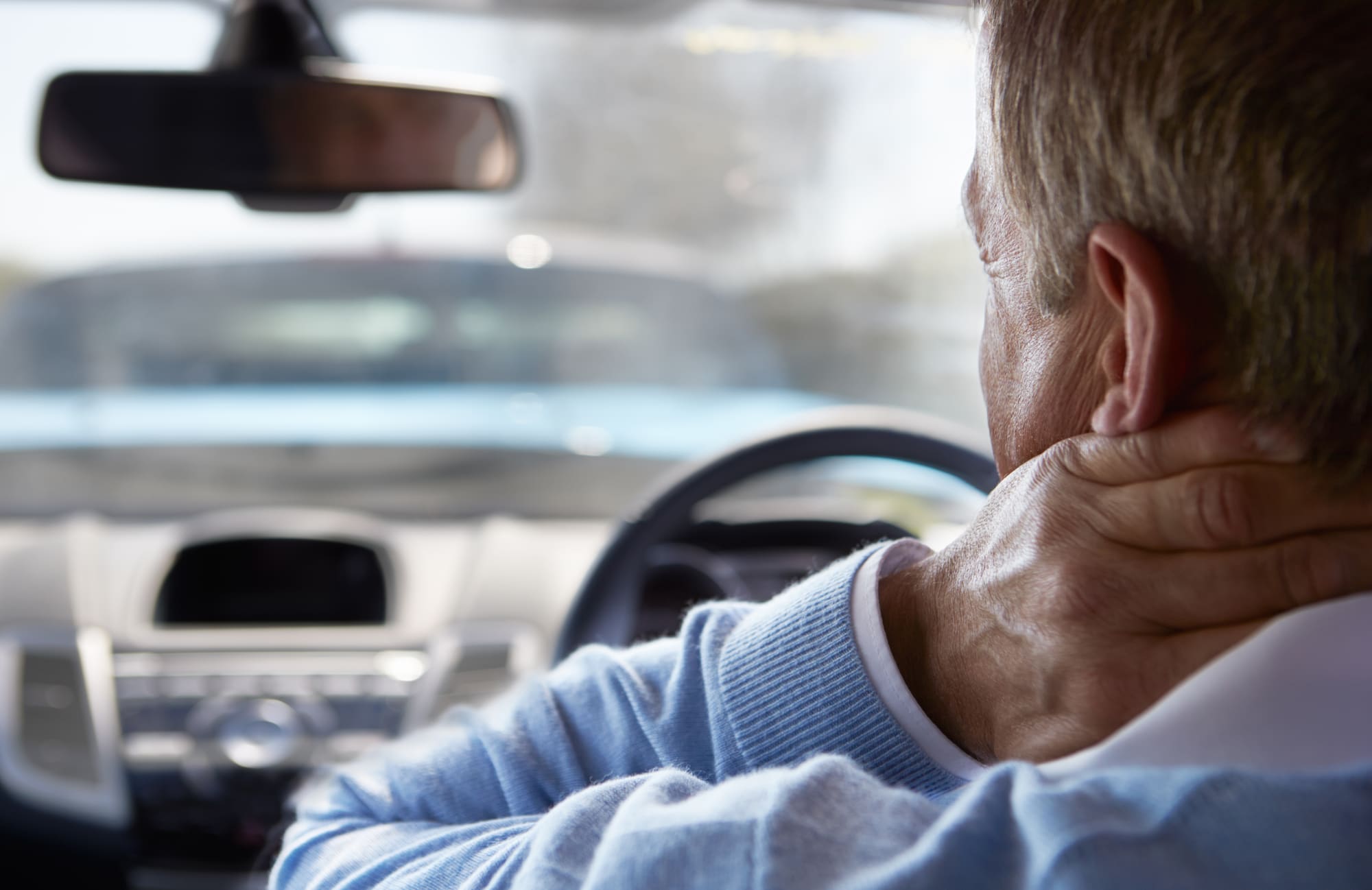
In general, if you were injured inside a vehicle (i.e. as a driver or passenger) and you have suffered whiplash injuries to your neck, shoulder, or back, your claim must be made through the Official Injury Claim portal – and usually without legal representation.

To find out more about the whiplash claims process, and whether they will affect you, read our Whiplash Reforms 2021 guide.
Can I claim compensation if the car accident was partially my fault?

Yes, you can claim compensation if the car accident was partially your fault, as long as another party was primarily to blame. In cases of this kind the compensation payment will be adjusted to allow for the degree to which you were at fault.

If it’s felt you were 25% to blame for the accident, for example, then any compensation awarded will be reduced by 25%.

How long does a road traffic accident claim take?

The simplest road traffic accident claims, with clear liability and relatively minor injuries, can be settled in just a few months. If the other party denies liability or the injuries you received call for more in-depth investigation then the time frame could extend to 6-12 months.

In the most complex cases – such as those involving long term disabilities, life changing injuries and permanent care requirements – the medical evidence required means that processing the claim could take more than a year. If your claim  is taking time to finalise we will apply for interim compensation payments to help with ongoing medical, care and living costs.

Any interim payments made will then be deducted from the final full compensation payment.

What happens if the other driver was uninsured or untraceable?

You can still make a compensation claim if the other driver involved was uninsured or can’t be traced. Claims of this kind are made through the Motor Insurer’s Bureau (MIB), and are processed in the same way as any other road traffic accident claims.

The only difference when handling an uninsured or untraced driver claim is that it will be made through the online MIB portal.

Can I claim if I was a passenger during the accident?

Yes, you can make a claim if you are injured in a road traffic accident while travelling as a passenger. A claim of this kind could be made because another driver was negligent, or because of the actions of the driver of the vehicle you were travelling in.

Do I need a medical report for my road accident claim?

Yes, we will arrange an independent medical report as part of your road traffic accident claim. Evidence of this kind will create a full and detailed picture of the impact of your injuries, and whether and to what degree you are expected to make a recovery.

Who Will Pay My Compensation?

Most claims arising from road traffic accidents will be dealt with by insurance companies. Motor insurance is a legal requirement for drivers in the UK so, in the majority of road traffic collisions and other incidents, there will be an insurance company in place to meet the financial and compensatory costs of the incident.

This may sound like the other driver ‘gets away with it’. And, besides increased insurance premiums, maybe they do, unless there is a separate criminal prosecution. However, claiming compensation is not about exacting revenge. It is there to right an injustice but only insofar as it helps you recover from the harm you have suffered.

Where there is no such insurer, for example in uninsured driver claims or untraced driver claims, you will be compensated by the Motor Insurers’ Bureau upon a successful claim. The Motor Insurers’ Bureau is a body which is funded through insurance premiums by all motor insurance companies operating in the UK.

When Will I Receive My Compensation?

In a successful personal injury claim, you will usually receive compensation as a single ‘lump-sum’ payment at the end. This might be after a court judgement or after a settlement has been agreed between you and the other party.

This arrangement can cause difficulties if you are struggling for money in the short-term because of the accident. A potentially large compensation payment at the end of the claim doesn’t help you to pay the bills that are due now!

Fortunately, it may be possible for you to receive smaller compensation payments whilst the case is still ongoing. These are called interim payments.

Interim payments are effectively like an advance from your final compensation. It is important to remember, however, that it is not extra compensation. If, for example, you receive an interim payment of £1,000, and then settle your claim for £4,000 in total, you will receive the remaining balance of £3,000 at the end of your claim.

Usually, interim payments will be around £1,000, although you may be able to ask for higher amounts if you have suffered severe injuries, or you are incurring significant losses.

You can request interim payments from the other party, or they may offer one themselves, but either way, they will usually only be possible in claims where liability (or fault) for the accident is not being disputed. This is because, in these cases, the other party know they will have to pay something for your compensation, and if an interim payment means you incur fewer losses in the long-run, it is often in their interests to make one.

The other party is not obliged to make interim payments, however, so even if you request one, they may not be willing to pay it. The court has the power to order an interim payment to be made – this means you may be able to apply to the court to request an interim payment, in certain situations.

Equally, you are not obliged to accept any interim payments which the other party has offered. However, you should bear in mind that rejecting an interim payment will make it difficult to claim any losses which have arisen solely due to a lack of cash flow caused by the accident.

In rare, high value cases, it is possible to be awarded periodical payments or provisional damages, rather than a lump-sum award.

Can I Make A Road Traffic Accident Claim On Someone Else’s Behalf?

In some very specific situations, it is possible for you to make a claim for someone else. It is not something which can be done for the sake of convenience, however. For example, you cannot claim on behalf of someone else just because that person does not have the time to spare.

The most common circumstances are:

  • A child under the age of 18 was injured in the road traffic accident.
  • The injured person lacks the mental capacity to bring the claim themselves – whether this is because of injuries suffered in the accident or not.
  • The victim of the accident has died.

Can I claim for a child?

A child under the age of 18 must have someone to act on their behalf to bring a claim. If you act for them, you will be known as their ‘Litigation Friend’.

Parents, or guardians, in daily contact with the child will often make the best Litigation Friends. This is so the progress of their injuries and losses can be easily tracked.

However, where a child was injured as a result of being a passenger in a vehicle that you were driving, it is better for someone else to act as their Litigation Friend. This is to prevent any ‘conflicts of interest’. As a passenger, they will have the option to claim against the insurance company of the driver of their vehicle. If you are also acting for them, this could lead to a conflict between your own interests (of avoiding a claim against your own insurance) and the best interests of the child.

Can I claim for someone with a metal handicap?

You may also be able to act for someone as their Litigation Friend if that person lacks the mental capacity to claim by themselves.

Mental capacity is a complicated legal concept but, generally speaking, someone will lack mental capacity if some impairment in brain function prevents them understanding or processing information relevant to their claim. If they are unable to communicate their wishes, in whatever form, they may also be said to lack the required mental capacity.

If you are unsure about whether a loved one with a possible right to claim for a road traffic accident lacks mental capacity, contact us to discuss matters further.

Can I claim for a fatal road traffic accident?

No amount of compensation can make up for losing a loved one in a road traffic accident. Nor is it meant to. But compensation can help you with any financial difficulties you may face.

If your loved one was already making a personal injury claim at the time of their death, it is possible to continue it. This remains true whether your loved one’s death was connected to the accident or not.

Even if your loved one had not started a claim before they died, it may be possible for their estate to make a claim. However, to begin a claim in this way, your loved one’s death must have been caused by the road traffic accident.

In either situation, any compensation recovered will go into your loved one’s estate, so it will be up to the personal representatives (i.e. the people dealing with the estate, for example: the executors) to decide whether to begin or continue the claim. If you are acting as your loved one’s personal representative, beginning or continuing a claim will effectively put you and any other personal representatives in the role of the ‘claimant’.

Can I make a dependency claim?

A dependency claim seeks compensation in respect of the financial support which your loved one provided for you in their lifetime.

If you were financially dependent on your loved one, and they were killed as a result of a road traffic accident, you may be able to bring a dependency claim in your own name against the party responsible for the accident. This can be done in addition to any of the other possibilities described above.

Does the law change for accidents at pedestrian crossings?

In the case of Goddard and Walker v Greenwood [2002] EWCA Civ 1590, two pedestrians suffered personal injuries when a car hit them on a pedestrian crossing. They claimed compensation for their injuries, alleging that the car driver had been negligent. However, the circumstances of the accident made establishing responsibility a key issue in the case. You can read more about the income and how it affects the law in this guide.

What are the Duties of Care for Road Users?

Every time you go out in your car, you put ourselves under certain legal obligations. This happens whether you are aware of these duties or not, so it is best to know what your obligations are, and how you must behave to meet them. Knowing this information can also be helpful to recognise when other road users have failed in their duties towards you.

As a road user, you owe a legal ‘duty of care’ to all other road users. This means you are obliged to take reasonable care to ensure any action you take, or any action you fail to take, does not cause injury to another road user, or damage to property.

It is important to note that ‘road user’ does not just mean motorists. It also includes pedestrians, cyclists, passengers, motorcyclists, and anyone else who makes use of a road.

So, any road users who fail in their duty of care, and cause a road traffic accident, could be liable for the harm they bring about.

What counts as someone failing in their duty of care on the road?

No road user can be expected to behave perfectly in every situation. But some minimum standards are required of road users by law. Failing to meet these standards will constitute a breach of your duty of care.

The driver of a vehicle is expected to meet the same standards of care and skill as ‘the average motorist’. There is no need to display driving skills comparable to an F1 racing driver or ambulance first-responder – only the skill and attention of the average motorist.

This is what’s called an ‘objective standard’. The standard of care is set and every motorist must meet it. No consideration is given to the individual circumstances or abilities of each motorist. A learner driver who takes control of a car for the very first time is still expected to meet this same standard. If they cause an accident, even if it was through their inexperience, they will be held just as liable for their conduct as someone who had been driving for ten years.

As such, a bad driver cannot avoid liability by arguing that they were taking all the care of which they were capable.

Why instruct Truth Legal?

We offer free initial consultations to assess the strength of your road traffic accident claim and to discuss your options with you in clear, straightforward terms.

We will conduct your claim professionally and compassionately, and never treat you just like another a file number.

Where some law firms might allocate hundreds of cases to each of their file handlers, at Truth Legal your case will be handled by one of our specialist personal injury lawyers, who have the time and skill to progress your claim effectively.
road-traffic-accident-review

We can offer:

  • Specialist technical knowledge and experience – so you can rest assured that your case is in the best hands.
  • Practical advice – tailored to your situation.
  • Strong representation – fighting for the compensation and outcome you deserve.
  • Support and compassion – friendly, knowledgeable experts, on your side through a difficult time.

If you’d like to know more about claiming with us, read our blog:

ARTICLE

5 Reasons Why Truth Legal Might Be Right For Your Personal Injury Claim

Further reading

Read our extensive guide for more information on how to make a road traffic accident claim.

Truth Legal team photo

Start Your Claim

Tell us about your case to get your claim started.

"*" indicates required fields

Meet some of the PI Team

Free personal injury ebook

The Ultimate Personal Injury Compensation Guide

This guide is your way into a greater understanding of Personal Injury compensation.

Rated Excellent on TrustPilot

Recent success stories

Personal Injury News